The Tragic Case of Mukhtaran Mai
As Reported by The Express Tribune
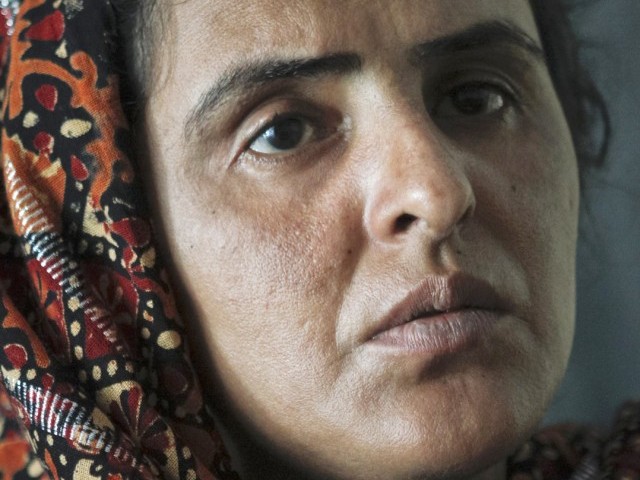
The decision by the deputy speaker of the National Assembly on April 22 to disallow any discussion on the Supreme Court’s verdict on Mukhtaran Mai is most unfortunate, especially given that it was PPP MNA Sherry Rehman who wanted to speak on the matter.
The Supreme Court decided earlier this week to uphold a Lahore High Court verdict that had acquitted all the accused in Mukhataran Mai’s gang rape in 2002, except one.
The gang rape was ordered by an illegal panchayat of Meerwala in Muzaffargarh, Punjab, after which an anti-terrorism court in Dera Ghazi Khan sentenced five of the six accused to death. The fact is that a powerful local tribe has been able to prevent its men from being punished by the justice system. The powerful in our society can first cause a delay in justice — nine years in this case — and then cause a miscarriage of justice through manipulation of the lower ranks of the police.
Mukhtaran Mai is one of many women who have to put up with violence at the hands of men and are forced to keep quiet because the investigative-judicial system is biased against them. Because of ‘anticipated injustice’ in Pakistan’s judicial system, Mukhtaran Mai was made into a global symbol of an abused woman, a challenge which she accepted. Unfortunately, the state became defensive about the publicity and support she got from all over the world; it also manifested a clear conservative bias against the women’s rights movement in Pakistan, which is demonised by powerful religious lobbies.
There was more than ‘anticipated injustice’ in the Mukhtaran Mai case. This was the impunity of the powerful, seen in relation to the terrorist elements in Pakistan which are supported by sections of the state. According to official statements, no terrorist caught after horrendous acts of killing has been punished. Those who view our judiciary politically say that the kind of out-of-the-box jurisprudence applied by the courts to matters such as the NRO will never be applied to Lal Masjid and Mukhtaran Mai. This view holds that the judiciary has always been drawn from a largely conservative legal community and it tends to agree with religious constraints to justice when it comes to women, while tacitly accepting the reign of the powerful in society.
The Supreme Court had intervened after the Federal Shariat Court in 2005 contested the jurisdiction of the Multan Bench. It heard the case and, agreeing with the Multan Bench verdict, ordered the release of the accused. Mukhtaran Mai went in appeal and the latest decision has come after over five years of hearings. Now, in 2011, two of the three judges on the bench have decided to go along with the earlier findings while one judge thought the Court could have taken a more pro-reform view and focused more closely on the notorious methodology of registering an FIR in areas where feudal power trumps justice all the time. The Musharraf government — illegal in the eyes of the Court — pitted itself against this wronged woman and put a ban on her travel abroad. If the liberal elements in Pakistan had stood behind the so-called ‘liberal reforms’ of Musharraf, this was one case that they did not support his government on. Alas, the Supreme Court’s latest decision will be seen as being supportive of Musharraf’s policy of hiding the truth of women’s disabilities in Pakistan from the world.
The judiciary takes the position that its power is not only derived from the Constitution but also from civil society, which stood up for the judges dismissed by Musharraf and finally got rid of the military ruler through street agitation. But civil society also includes women and their rights must equally be defended; more so because Pakistani society needs reform before it learns to treat women as desired by the Constitution. And the Court remains the guardian of the Constitution. If the Honourable Court is today dubbed as being ‘activist’ in favour of the people, let it be clear that it is not the Court of the conservative elements simply because they are powerful.


You must be logged in to post a comment.