Posts Tagged ‘ IMF ’

Pakistan Rupee Weakens Beyond 100 to a Record Low in Kerb Market

By Khurrum Anis for Bloomberg News
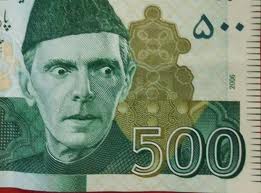
Pakistan Rupee

Pakistan’s rupee weakened beyond 100 per dollar to a record low in the so-called kerb market amid concern loan repayments to the International Monetary Fund will further erode the nation’s foreign-exchange reserves.

The State Bank of Pakistan tapped the nation’s currency stockpile to pay $145.8 million to the Washington-based lender this week, Syed Wasimuddin, the central bank’s Karachi-based spokesman, said in an e-mail today. The payments are putting pressure on the country’s reserves, which declined to $8.7 billion last month from $12.5 billion a year earlier, Moody’s Investors Service said in a statement on Feb. 7.

“People are converting their goods into dollars because they feel the country will not have enough money to pay the IMF,” said Bilal Razzak, a trader in Karachi at Glaxy Exchange Pvt., a foreign-exchange firm. “They are converting their savings and stay safe, in case there is a shortage of cash.”

The rupee fell to 100.10 per dollar today from 100.00 yesterday in the kerb market, according to Glaxy Exchange and Mega Currency Exchange Co., another Karachi-based currency firm.

In the interbank market, the rupee slid 0.1 percent to 98.075 per dollar as of 2:48 p.m. in Karachi, according to data compiled by Bloomberg. It lost 0.9 percent so far this year.

Rates at Pakistan’s kerb market, which isn’t regulated by the central bank, account for 20 percent of total transactions, and caters to the majority of the public. The market allows individual buyers and sellers to exchange currencies outside central bank rules that regulate interbank trading, Sayem Ali, an economist in Karachi at Standard Chartered Plc, said by phone.
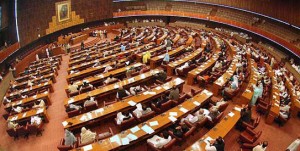
Key Party Rejoins Pakistan’s Coalition

By J David Goodman for The New York Times

A day after Prime Minister Yusuf Raza Gilani announced a rollback of fuel price increases that were deeply unpopular in Pakistan, a major political party said on Friday that it would rejoin the ruling coalition, defusing a tense political standoff and saving Mr. Gilani’s government from potential collapse, news reports said.

The party, the Muttahida Qaumi Movement, broke with the ruling Pakistan Peoples Party over the weekend in part to protest the price increases and other reforms proposed by the government, causing a political crisis for the prime minister and President Asif Ali Zardari. Opposition parties echoed the call to reverse the increases as well as recent cuts in spending and threatened the government with a three-day deadline before a no-confidence vote.

Political tension deepened on Tuesday with the assassination of Salman Taseer, the governor of Pakistan’s most populous region and an ally of Mr. Zardari, because of his support for changes to the country’s blasphemy law.

Raza Haroon, a senior leader in the Muttahida Qaumi Movement, said on Friday that his party had decided to rejoin the ruling coalition for the sake of democracy and the country, The Associated Press reported.

While the government appears to have survived for the moment, it does so at the expense of political and economic reforms encouraged by the United States.

In a meeting with Muttahida Qaumi Movement party officials on Friday, Mr. Gilani said that he would also put off proposed changes promoted by the State Department and the International Monetary Fund to increase tax collection, Reuters reported.

Pakistan, an important American ally, still faces a widening rift between secular and religious forces within the government, even as its army battles Taliban insurgents around the country’s mountainous northwestern border with Afghanistan.

The killing of Mr. Taseer, by a religiously motivated member of his own security staff, raised concerns for the United States and exposed the deep divisions in Pakistan. His killer, who proudly confessed the crime to the police, has been celebrated by many and was greeted by affectionate crowds throwing rose petals both times he appeared in court this week.

But Adm. Mike Mullen, chairman of the Joint Chiefs of Staff, said earlier this week that Pakistan’s security relations with the United States would survive the crisis.