Posts Tagged ‘ Pakistan ’

As Power Shortages Spread, Pakistan Switches Off The Lights

By Saeed Shah for The Miami Herald

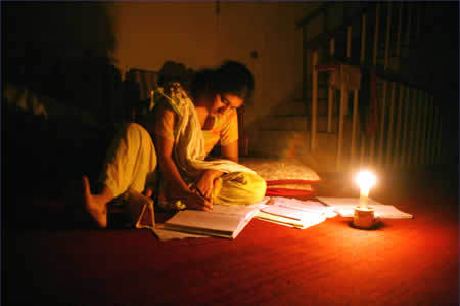
LAHORE, Pakistan — Amid fears that severe energy shortages could touch off riots, Pakistan will announce drastic measures this week to save electricity, including a shorter workweek and restrictions on nighttime wedding celebrations, government officials said Wednesday.

With power outages lasting up to 20 hours a day in cities and villages, halting industry and even farming in some places, the electricity crisis could further destabilize a vital U.S. ally. Already this year, there have been streets protests – some violent, resulting in at least one death – over the electricity stoppages.

“Children can’t do their homework. Household work doesn’t get done, as washing machines and other appliances cannot work. When you go home from work, you have no idea whether there will be electricity at home. Your whole life is disturbed,” said Mahnaz Peracha of the Network for Consumer Protection, an independent Pakistani advocacy group.

The Obama administration says that helping Pakistan surmount its electricity crisis is one of the top priorities of its aid effort.

Richard Holbrooke, the U.S. special representative for Pakistan and Afghanistan, said this week that Pakistan’s electricity situation was “not acceptable” and that Washington would help to “the absolute limits of what Congress will fund. It is a big issue.”

Pakistan has been crippled by a shortfall in electricity generation, producing only about 10,000 megawatts of the required 16,000 a day. Further, some generators aren’t working at full capacity because the government owes money to power producers. The government is expected to inject around $1 billion into the system to pay its debts, but energy savings can’t make up for the shortages until new plants come online.

Industries such as the textile sector have had to shorten shifts and lay off workers, and farmers can’t use their electric pumps to irrigate fields. Some businesses, such as tailoring and printing, are telling customers it will take weeks to complete their orders.

As well as suffering from outages, consumers have been hit by a steep increase in the price of electricity, as Pakistan eliminated subsidies to meet lending terms by the International Monetary Fund, causing further resentment.

The energy-saving measures are likely to extend the country’s one-day weekend to a second day, push clocks forward by an hour and close industry for one day during the workweek, according to officials who were briefed on the plans but who spoke only on the condition of anonymity ahead of the government announcement.

Zafaryab Khan, a spokesman for Prime Minister Yousuf Raza Gilani, said the proposals were being finalized Wednesday and would be unveiled Thursday.

Street lighting also will be cut back, so that only every second or third light is on, markets will close soon after sunset and wedding receptions – huge, ostentatious events in Pakistani tradition – will be required to end by 9 or 10 p.m. Individual provinces will impose further restrictions.

In the dominant Punjab province, where more than half the country’s population lives, there will be a ban on electrical billboards, neon signs, decorative lights on buildings and the operation of fountains, and government offices won’t be permitted to run their air conditioners before 11 a.m. Analysts said enforcing the restrictions would be difficult.

Pakistan’s Parliament Approves Reforms Stripping President of Some Powers

By Sean Maroney for The Voice of America

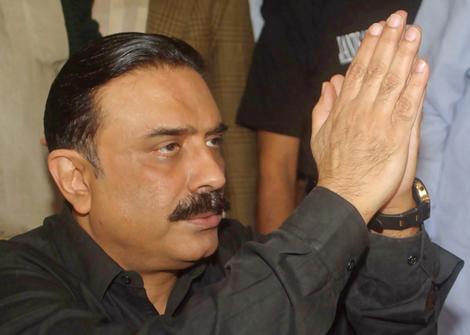
Pakistani lawmakers have passed a constitutional amendment that strips President Asif Ali Zardari of powers originally given to the presidency by the country’s former military dictator two decades ago. Lawmakers in Pakistan’s upper house have passed a series of key reforms to the country’s constitution. Senate Chairman Farooq Naik announced the result of the final vote live on state-run television.

“The motion is carried by the votes of not less than two-thirds of the total membership of the Senate. And consequently, the bill stands passed,” he said. The lower house passed the reforms unanimously last week and the next step is approval from President Asif Ali Zardari, who is expected to sign the reforms into law.

Lawmakers from the ruling and opposition parties drafted the constitutional changes, which will turn the president into a ceremonial head of state. In the 1980s, military ruler Mohammad Zia-ul-Haq assumed several powers to maintain control of the government, including the power to dissolve parliament and appoint judges and the heads of the country’s armed forces. These powers will now go to the parliament and the office of the prime minister.

A Senate opposition leader, Wasim Sajjad of the PML-Q party, addressed Prime Minister Yousuf Raza Gilani, who attended the vote. “Mr. Prime Minister, today you are a powerful man,” he said. “The responsibility, the power, everything you have, now the country wants you to deliver. And I hope and pray and I wish that you will come up to the expectations of the people.” But there has been much controversy regarding a clause of the new 18th amendment that renames the North West Frontier Province to Khyber-Pakhtunkhwa. The new name will reflect the Pashtun ethnic majority of the province, which predominately speaks Pashto.

But the province’s Hindko-speaking population has been protesting the name change since last week. The protesters say they want the province’s name to remain unchanged or they will demand a separate province that will reflect their majority in the south. On Monday, the demonstrations turned violent, leaving at least seven people dead and more than 100 others wounded. But analysts say this request does not seem likely because it does not appear to have two-thirds approval in the Parliament. Pakistani Prime Minister Yousuf Raza Gilani addressed the controversy.

He says that his sympathies are with the people of Hazara and he urges the provincial government in Khyber-Pakhtunkhwa to make sure that those people are properly included as the renamed province moves forward. Many in Pakistan believe the 18th amendment will lead to political stability, allowing the government to pay more attention to its fight against the Taliban in the regions bordering Afghanistan.

But critics remain skeptical about the constitutional changes, saying President Zardari, who remains the head of the ruling Pakistan Peoples Party, will still be able to exert his influence on the prime minister. Mr. Gilani is a member of the president’s party and is considered a Zardari loyalist. In addition, as party leader Mr. Zardari has the power to dismiss PPP politicians from power, including the prime minister.

India and Pakistan’s Leaders Meet

As reported by BBC.com

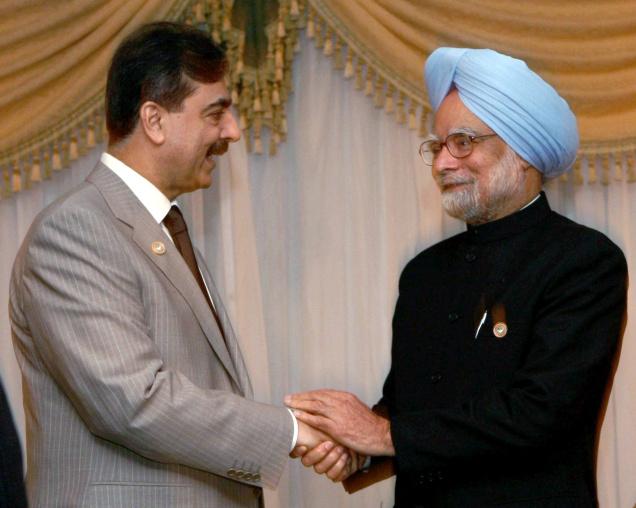
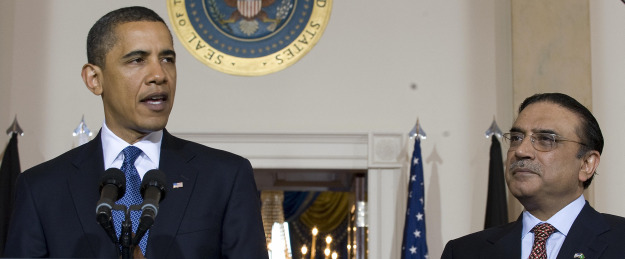
Pakistan PM Yousuf Raza Gilani spoke to his Indian counterpart Manmohan Singh at a reception hosted by the US President Barack Obama, reports said. The prime ministers of India and Pakistan met briefly during a nuclear summit attended by 47 world leaders in Washington DC.

A Pakistani embassy spokesman said it was “not a formal meeting”. cIt comes a day after Mr Singh told Mr Obama that Pakistan’s government lacked the will to punish those responsible for the Mumbai attacks. The November 2008 attacks left 174 people dead, including nine gunmen, and soured ties between India and Pakistan. Late last year, Pakistan charged seven people in connection with the attacks.

They include the suspected mastermind Zaki-ur-Rehman Lakhvi, who is allegedly the leader of the Pakistan-based militant group Lashkar-e-Taiba. Mr Singh and Mr Gilani spoke to each other at a reception hosted by Mr Obama, Pakistani embassy spokesman Nadeem Kiani said.

“Both leaders were present at the same place and so they shook hands and talked,” he said. A spokesman for India’s foreign ministry, Vishnu Prakash, told The Hindu newspaper that the two leaders “exchanged pleasantries”.
‘State elements’

India put peace talks on hold after the attacks, blaming them on Pakistan-based militants. Pakistan admitted they had been partly planned on its soil. India has also suggested what it calls “state elements” were involved. Both Pakistan and Lashkar-e-Taiba have denied any involvement.

In February, the two sides held their first formal talks since the 2008 attacks and agreed to “remain in touch”. Leaders from 40 states are attending the meeting in Washington which is expected to focus on how to secure nuclear material.

Hamid Karzai Is Losing All His Marbles and His Credibility

By Manzer Munir for Pakistanis for Peace
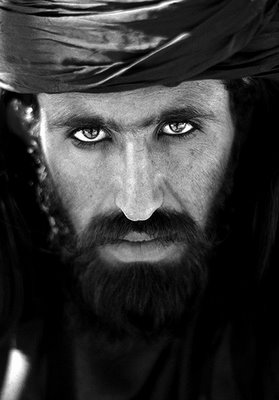
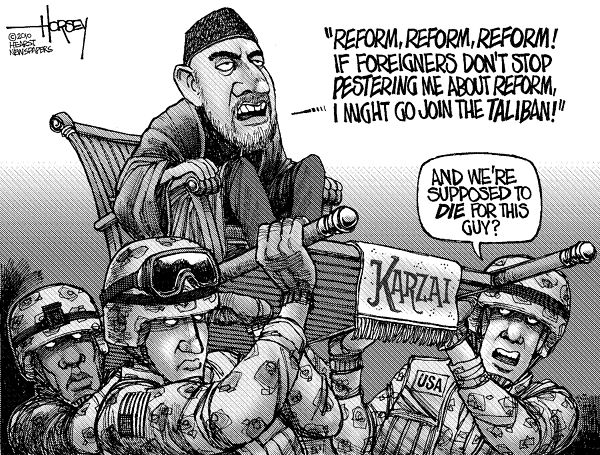
Kabul, Afghanistan- President Hamid Karzai’s troubling remarks this past Saturday that he would join the Taliban if he continues to come under pressure to reform by the United States and other “outsiders” has caused a stir in Washington DC.  Karzai’s comments came a week after President Obama’s surprise visit to Afghanistan at the end of March to pressure Karzai’s government to reform the political system, end corruption, and do a better job of fighting the Taliban.

Instead, what Karza delivered was a threat of the worse kind and quite possibly the most offensive and troubling thing one can say to a country that is risking countless soldiers lives daily to secure the country from the Taliban and other militant warlords in Afghanistan. In 8 short years, Hamid Karzai has gone from being the special guest of honor at George Bush’s State of the Union address to a leader who threatened to join our worst enemy. All because he feels that the US needs to stop badgering him to be a more responsible, fair, and an equitable leader as well as an effective partner in fighting the Taliban.

Karzai apparently made these unusual comments at a closed door meeting of lawmakers on Saturday, just days after accusing “foreigners” presumably the Unites States of being behind the fraud of the disputed elections of 2009. “He said that if I come under foreign pressure, I might join the Taliban”, said Farooq Marenai, a lawmaker from the eastern province of Nangarhar.  Mareni also stated that Karzai appeared nervous and demanded to know why parliament last week rejected legal reforms that would have strengthened Karzai’s authority over the country’s electoral institutions. Several other lawmakers confirmed that Karzai twice threatened to join the insurgency and the Taliban.

Karzai’s comments are troubling on many levels. First and foremost, he gives legitimacy and strength to the Taliban as his comments present the Taliban as an alternative option to American support or view on the situation. Karzai’s statement will no doubt have traveled the length and breadth of Afghanistan as word will spread that there is a weakness in the American-Afghan coalition that has been fighting and hunting the Taliban since October of 2001, post 9-11. The remarks by Karzai also puts every American, NATO, and Pakistani soldier at risk as instead of liberators, the foreign armies would be thought of as invaders, literally overnight. Lastly, Karzai’s remarks prove to the fact that Karzai is no longer an ally nor a credible partner for the US , NATO, and Pakistani army that have been fighting the Taliban with all their might.

There are reports of widespread nepotism, corruption, fraud, looting of the treasuries, and even drug trafficking, as Karzai’s brother, Ahmed Wali Karzai, has been alleged to be a prominent figure in Afghanistan’s world leading illegal heroin production, cultivation and its global distribution. These facts along with his inability to rule effectively and assist the United States in its exit strategy out of Afghanistan by end of 2011 has made the Obama administration weary of dealing with Karzai. Also his typically slow response in instituting political and social freedoms along with a renewed focus in fighting the Taliban, has also been a factor in displeasure from Washington.

The Obama administration has refocused on the Afghan war with 30,000 additional troops to help with the war effort and that initial surge has helped the commanders on the ground in running the Taliban out of certain areas. There have also been great recent victories by the Pakistani army to go after the Taliban militants on its side of the border and in helping cut down the bases of support for the Afghan Taliban from the Pakistani tribal areas sympathetic to their cause. So these comments come at the worst possible time when the Taliban are on the run both in Afghanistan and Pakistan and a strong coalition of US-Afghan-Pakistan resistance against them could help eliminate or destroy the militants for good. But instead, the US and its allies are left wondering what to do with Karzai and how much he could be trusted in this tenuous partnership against the Taliban.

Taliban 201- The Rise of The Pakistani Taliban

By Manzer Munir for Pakistanis for Peace

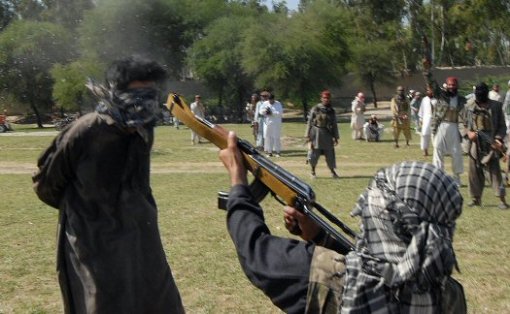
Peshawar, Pakistan- Taliban militants attacked the U.S. consulate in the Pakistani city of Peshawar on Monday, using  powerful bombs and rocket launchers in a sophisticated and daring attack killing 8 people, just hours after a suicide bomber killed 48 people elsewhere in the Swat valley. The attacks came as the United States has increased its airstrikes on targets both inside Afghanistan and Pakistan. The nearly decade long war waged against the Taliban in neighboring Afghanistan since 9-11 has created safe areas inside Pakistan for these militants to regroup and band with Pakistani militants sympathetic to their cause. Often, the militants on the Pakistani side and the Afghani Taliban share the Pashtun tribal and ethnic links among the border areas of both countries.

The US bombing of Afghanistan since late 2001 had pushed the Taliban and Al Qaeda militants to the mountains near the border with Pakistan. With help from sympathetic militant tribal warriors from the Pakistani side, the Taliban were able to dig in and have been able to fight the American forces for nearly a decade now. The onslaught by US and NATO forces continues in Afghanistan, but now for most of last year and certainly this year, the war has shifted to the streets and cities of Pakistan.

Now, much like Afghanistan, Pakistan too is a country that finds itself engulfed in the flames of religious extremism at the hands of determined and highly disciplined thugs. It used to be back during the Soviet-Afghan War, the only place perhaps not entirely safe inside Pakistan was Peshawar. Now, not one city or town of Pakistan has been spared from the violence by the Taliban. Back then, Peshawar was a city where attacks would happen frequently and often. During the 1980’s, the city became a haven for both jihadi militants fighting against the godless system of communism, and a base for spies as both the United States and Saudi Arabia funded a mujahedeen guerrilla war to defeat the Soviet troops from Afghanistan. President Reagan and General Zia of Pakistan used the fervor of religion to incite able bodied boys and men of Afghanistan and their distant cousins from the border area in Pakistan, along with thousands of volunteer Muslim fighters from across the Arab and Muslim world, to come and fight the Soviet Red Army. It was seen as a duty to come defend a Muslim land from occupation by a regime that would not allow the worship of Allah as communism discourages religion and encourages a sectarian society.

That strategy by General Zia ul Haq to promote the fight against the Russians as a holy war or jihad was brilliant at first. It mobilized not just every Muslim male in Afghanistan to stand and fight for his faith and their way of life, while also defending the country from invaders, but it also garnered the sympathy and enlistment of thousands upon thousands of Pakistani and Arab Muslim fighters to join the cause of these mujahedeen, as one who engages in jihad is called. The riling up of religious fervor and militant Islam was deemed necessary by both Reagan and Zia at the time as they sought to defeat the communists at all costs from succeeding in Afghanistan. It would not seem likely at the time, that this very same entity would become enemy number one of both the US and Pakistan a decade later.

It was monumental, it was historic,” retired Pakistani general Hamid Gul, who headed the ISI military spy agency from 1987-1989, said of Reagan’s role in defeating the Soviets. “We were receiving arms and logistics from the CIA, we were partners in this struggle,” Gul said, estimating the CIA spent up to $7bn in supplying arms and logistics to Islamic fighters or “jihadis.” “The jihadis he supported. It was their resistance against the forces of occupation and repression – that’s what jihad is – that Reagan identified himself with,” Gul said. “His greatest achievement was that he stood behind the Islamic world when it was arrayed against the Soviet empire.”

Pakistani analyst Hasan Askari Rivzi stated that “Al-Qaeda and the Taliban took shape later on, but they grew from this period of jihadism against the Soviets and with the initial help of Pakistan, Saudi Arabia along with the military and economic assistance from the United States to fight the Soviets during the ‘80’s. Rizvi sees the roots of the militancy that now ravages Pakistan and Afghanistan as having its beginnings from this period of war against the Soviets army.

That war with the Russians lasted almost 10 years. By the time the USSR pulled out all its troops from Afghanistan in 1989, the country had been completely destroyed. What was left of any government or authority of any sort was now held in the hands of a few militias and various warriors who commanded thousands of tribal and other ethnic fighters under them. These militias immediately started warring amongst themselves for more and more control of the country. The already weak, nonexistent central government of Afghanistan, post Soviet pullout was not able to cope and quickly capitulated. During the power vacuum that resulted, Pakistan’s spy agency, the ISI, realized the chance to wield power inside Afghanistan and threw its support behind a religious student movement based out of Kandahar. The ISI had previously assisted the cause to fight the Soviets by helping gather and organize radical Muslims from around the world to come and assist the Afghani mujahedeen in fighting the Soviets and had therefore developed good contacts with various religious groups including the young Taliban students and the fast growing movement.

The Afghani population initially welcomed the Taliban as they represented fairness and a rule of law over the notorious corruption, brutality and constant infighting of the warlord militias. Soon, with popular citizen support, along with Pakistan’s help, the Taliban became the dominant group within the country and soon held the seat of power in Kabul. Its leader Mullah Omar, was a friend of Osama Bin Laden and when the US forces came to Afghanistan in the hunt for Bin Laden, he gave the Al Qaeda leader refuge and in essence, became a fugitive of the US in the process for harboring America’s Most Wanted.

Fast forward to nearly nine years later as the war in Afghanistan continues against the Taliban and remnants of Al Qaeda responsible for the 9-11 attacks. However, the Taliban have grown and laid roots inside Pakistan also now as the nearly decade long war at the border with Afghanistan has ratcheted up sympathy by locals Pakistani Pashtun tribes for their brethren being bombed by both Pakistani and American forces. The Tehrik-i-Taliban Pakistan known as the Pakistani Taliban formed soon after the US invasion of Afghanistan and the Pakistani army’s offensive at the tribal areas near the border to combat the militants. The Pakistani Taliban led by the recently killed Baitullah Mehsud, has been largely responsible for hundreds of attacks in all major cities of Pakistan including Monday’s bombing of the American consulate in Peshawar.

The war in Afghanistan by the US against the Taliban that harbored and sheltered Bin Laden and the 9-11 killers of Al Qaeda is much the same as the war between the Pakistani army and the Pakistani Taliban in the Swat valley and the North West Frontier Province as well as in various cities of the country. This war has been brought home to the citizens of Pakistan. Over the last few months, bomb blasts in Lahore, Karachi, Islamabad and various other cities have now personalized this conflict for the average Pakistani as no longer a battle or skirmish at the border far away in the northwest of Pakistan near its border with Afghanistan.

No, the nearly daily attacks all over the country by the militants on government installations, public institutions like universities, factories and residential areas as well as markets and restaurants has made the country much less safer than at any time in its 63 year history. Many Pakistanis now are beginning to realize that the Taliban, operating with impunity all over Pakistan, pose a much bigger threat to the sovereignty and republic of Pakistan than any threat from anywhere else, including from that eternal archrival to the east, India. It is now well understood by both partners in this fight that only a sustained and vigorous fight taken to the militants inside both countries by the US and Pakistan over a long period of time can hope to defeat this disease known as the Taliban.
For an earlier report titled Taliban 101- Origins and History, Please click on this link:

https://pakistanisforpeace.wordpress.com/2009/05/25/taliban-101-origins-and-history/
U.S. Aims to Ease India-Pakistan Tension

By Peter Spiegel and Matthew Rosenberg for The Wall Street Journal

President Barack Obama issued a secret directive in December to intensify American diplomacy aimed at easing tensions between India and Pakistan, asserting that without détente between the two rivals, the administration’s efforts to win Pakistani cooperation in Afghanistan would suffer.

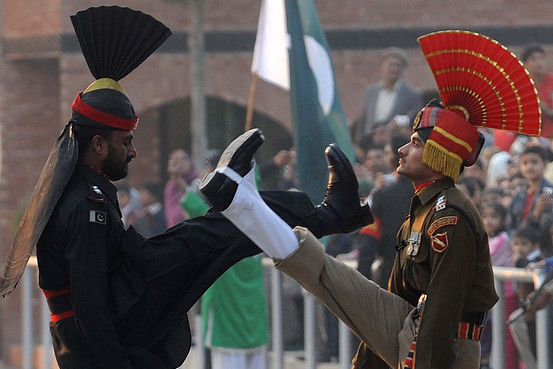
Pakistani Rangers (L) and Indian Border Security Force (BSF) personnel perform the daily retreat ceremony at the India-Pakistan Border at Wagah on December 26, 2009. The directive concluded that India must make resolving its tensions with Pakistan a priority for progress to be made on U.S. goals in the region, according to people familiar with its contents.

The U.S. has invested heavily in its own relations with Pakistan in recent months, agreeing to a $7.5 billion aid package and sending top military and diplomatic officials to Islamabad on repeated visits. The public embrace, which reached a high point last month in high-profile talks in Washington, reflects the Obama administration’s belief that Pakistan must be convinced to change its strategic calculus and take a more assertive stance against militants based in its western tribal regions over the course of the next year in order to turn the tide in Afghanistan.

A debate continues within the administration over how hard to push India, which has long resisted outside intervention in the conflict with its neighbor. The Pentagon, in particular, has sought more pressure on New Delhi, according to U.S. and Indian officials. Current and former U.S. officials said the discussion in Washington over how to approach India has intensified as Pakistan ratchets up requests that the U.S. intercede in a series of continuing disputes.

Pakistan has long regarded Afghanistan as providing “strategic depth”—essentially, a buffer zone—in a potential conflict with India. Some U.S. officials believe Islamabad will remain reluctant to wholeheartedly fight the Islamic militants based on its Afghan border unless the sense of threat from India is reduced.

Indian Prime Minister Manmohan Singh has already taken the political risk of pursuing peace talks with Pakistan, but faces significant domestic opposition to any additional outreach without Pakistani moves to further clamp down on Islamic militants who have targeted India.

U.S. and Indian officials say the Obama administration has so far made few concrete demands of New Delhi. According to U.S. officials, the only specific request has been to discourage India from getting more involved in training the Afghan military, to ease Pakistani concerns about getting squeezed by India on two borders.

“This is an administration that’s deeply divided about the wisdom of leaning on India to solve U.S. problems with Pakistan,” said Ashley Tellis, an analyst at the Carnegie Endowment for International Peace who has discussed the issue with senior officials in the U.S. and India. “There are still important constituencies within the administration that have not given up hope that India represents the answer.”

India has long resisted outside involvement in its differences with Pakistan, particularly over the disputed region of Kashmir. But, according to a U.S. government official, a 56-page dossier presented by the Pakistani government to the Obama administration ahead of high-level talks in Washington last month contained a litany of accusations against the Indian government, and suggestions the U.S. intercede on Pakistan’s behalf.

The official said the document alleges that India has never accepted Pakistan’s sovereignty as an independent state, and accuses India of diverting water from the Indus River and fomenting separatism in the southwestern Pakistani province of Baluchistan.

Secretary of State Hillary Clinton has signaled that Washington isn’t interested in mediating on water issues, which are covered by a bilateral treaty.

The White House declined to comment on Mr. Obama’s directive or on the debate within the administration over India policy. The directive to top foreign-policy and national-security officials was summarized in a memo written by National Security Adviser James Jones at the end of the White House’s three-month review of Afghan war policy in December.

An Indian government official said the U.S.’s increasing attention to Pakistani concerns hasn’t hurt bilateral relations overall. “Our relationship is mature—of course we have disagreements, but we’re trying not to have knee-jerk reactions,” the Indian official said.

According to U.S. and Indian officials, the Pentagon has emerged in internal Obama administration debates as an active lobbyist for more pressure on India, with some officials already informally pressing Indian officials to take Pakistan’s concerns more seriously. Adm. Mike Mullen, chairman of the Joint Chiefs of Staff and the U.S. government’s prime interlocutor with the powerful head of the Pakistani army, Gen. Ashfaq Kayani, has been among the more vocal advocates of a greater Indian role, according to a U.S. military official, encouraging New Delhi to be more “transparent” about its activities along the countries’ shared border and to cooperate more with Pakistan.

In interviews, U.S. military officials were circumspect about what specific moves they would like to see from New Delhi. But according to people who have discussed India policy with Pentagon officials, the ideas discussed in internal debates include reducing the number of Indian troops in Kashmir or pulling back forces along the border.

“They say, ‘The Pakistanis have this perception and you have to deal with the perception’,” said one foreign diplomat who has discussed India’s role with Pentagon officials. An Indian defense ministry spokesman said his country’s army has already moved about 30,000 troops out of Kashmir in recent years.

The State Department has resisted such moves to pressure India, according to current and former U.S. officials, insisting they could backfire. These officials have argued that the most recent promising peace effort—secret reconciliation talks several years ago between Indian Prime Minster Singh and then-Pakistani President Pervez Musharraf—occurred without U.S. involvement.

Progress, For a Price, in Pakistan

By Doyle McManus for The Los Angeles Times

In 2001, on the eve of the U.S. invasion of Afghanistan, President George W. Bush gave Pakistan’s then-leader, Gen. Pervez Musharraf, a choice: He was either with us or against us. Musharraf chose to become an ally, but the question ever since has been whether that shotgun marriage can mature into a healthy adult relationship. At times, the prospect has seemed far from reach.

The world’s second-most-populous Muslim country is caught in a brutal internal struggle between extremism and moderation. Most of its people tell pollsters they don’t like the United States and wish we’d go away. The tribesmen of its western frontier shelter Osama bin Laden and the leaders of Afghanistan’s Taliban. And the United States can’t forget how, in the 1980s, Pakistan built nuclear weapons — and then later exported nuclear technology to North Korea and Iran.

But in recent months, there has been progress in the relationship. Military and intelligence cooperation between the United States and Pakistan has increased significantly. Pakistan has allowed the CIA to increase its missile strikes against Al Qaeda and Taliban targets in Pakistani territory. Pakistani authorities have arrested several Taliban leaders and allowed U.S. intelligence officers to question them. And now Pakistan is offering to increase its own military operations in North Waziristan, the presumed lair of Bin Laden. All that cooperation came at a price, of course: a flood of U.S. military and economic aid.

And last week, the Pakistanis came to Washington to press for more. The academic criticism of the U.S.-Pakistani relationship is that it is “transactional” — nothing more than a series of bargains between buyers and sellers who don’t trust each other much. That’s still mostly true. Pakistan’s delegation arrived with a 56-page shopping list covering everything from military equipment to education and cultural exchanges. And one Pakistani official, asked during the visit whether his government was truly willing to act against the havens that allow the Taliban to maintain bases in Pakistan, replied frankly: “Yes — but at a price.”

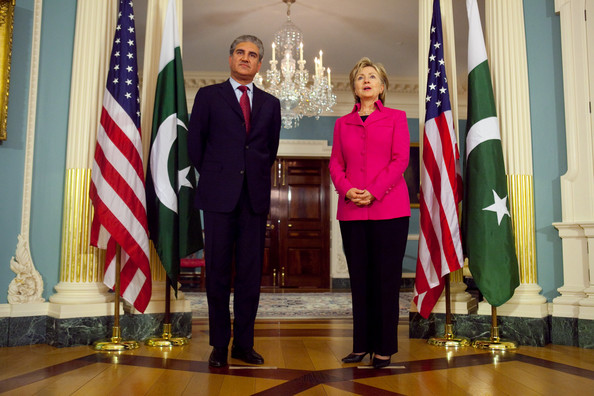
After a series of meetings with Secretary of State Hillary Rodham Clinton, Pakistan’s ebullient foreign minister, Shah Mehmood Qureshi, declared: “I think we are going to move from a relationship to a partnership.” But he used the future tense. In the meantime, there are things to work out. Pakistan is clearly worried about what happens when the United States begins pulling troops out of Afghanistan in 2011.

Although Obama administration officials have tried to reassure Pakistan that Washington’s commitment to the region is for the long haul, uncertainty remains. “Our fear is . . . that we get into a fight with these guys [the Taliban], and you walk away, and we’re still there,” a Pakistani official said. Pakistan’s powerful army chief of staff, Gen. Ashfaq Kayani, spent part of his time in Washington visiting Congress with PowerPoint slides to show that Pakistan has committed more troops to its fight against insurgents than the United States has on the ground in Afghanistan, and that it has suffered almost 30,000 killed and wounded in the process.

According to U.S. officials, Kayani made a strong case that Pakistan can do more if it gets more modern military equipment from the United States, especially helicopters to ferry troops into the rugged badlands where Al Qaeda and the Taliban hide. The United States has helped Pakistan acquire some helicopters, but not as many and not as quickly as the Pakistanis would like. U.S. officials said they would try to speed the delivery of more. In the past, U.S. officials complained that Pakistan used much of its U.S. military aid to bolster its eastern front with India instead of its fight with internal insurgents; but since Pakistan’s 2009 offensive in the Swat Valley, that criticism has been stilled.

The delegation also added a new item to Islamabad’s wish list: a nuclear agreement under which the United States would help Pakistan develop its civilian nuclear energy industry — to mirror a similar U.S. agreement with India, Pakistan’s longtime enemy. The United States told the Pakistanis that would have to wait. The memory of having to clamp sanctions on Pakistan for its nuclear weapons program is still too fresh. But it was a sign of improving relations that the idea wasn’t rejected completely.

 In 2001, the United States sought a new relationship with Pakistan mostly because it was next to Afghanistan — and thus a country we would need for moving military supplies and basing drones. But that thinking has slowly evolved. In the long run, with its population of 170 million people — not to mention its cache of nuclear weapons — Pakistan is more important than Afghanistan.

“We’re engaging with Pakistan because we’re afraid of it,” says Christine Fair, a Pakistan expert at Georgetown University. “It’s the scariest country in the region. Because of Afghanistan, it’s been treated as if it were a subsidiary issue. But Pakistan should be the primary issue.” The Americans are working hard to convince the Pakistanis that they are interested in Pakistan’s stability for its own sake, not just because it’s next door to Afghanistan. The Pakistanis are working hard to convince the Americans that they are committed to defeating the extremists in their midst. It’s not a strategic relationship yet. If it’s a partnership, it’s still a wary one. But that’s progress.

Obama Pledges To Work With ‘Peace-Loving’ Pakistanis On Occasion of 70th Pakistan Day 3/23

By Lalit K Jha for The Press Trust of India  

Greeting people of Pakistan on the occasion of its National Day, US President Barack Obama today pledged to remain a partner of all Pakistanis who “seek to build a future of peace and prosperity”.

Sending his best wishes to the people of Pakistan and all those of Pakistani descent in America and around the world observing Pakistan National Day, Obama said: “Seventy years ago, Muhammad Ali Jinnah and those of the independence generation declared their dreams of self-determination and democracy.

“Today, the people of Pakistan are carrying on the great work of Quaid-e Azam,” Obama said in his message issued on the occasion of Pakistan National Day, being marked on March 23.

“Here in the United States, our country is enriched by the many Pakistani Americans who excel as doctors, small business owners, students, members of our armed forces and in many other fields. On this National Day, we give thanks for the contributions of these fellow Americans, and the United States pledges to remain a partner of all Pakistanis who seek to build a future of peace and prosperity.”

“In these efforts, the American people are proud to join in the education, health and economic partnerships that can improve the daily lives of Pakistanis and their families,” he said.

US-Pakistan Talks Mark ‘Intensification’ of Partnership

By Suzanne Presto for Voice of America News

The United States and Pakistan will hold their first strategic dialogue at the ministerial level in Washington next Wednesday (March 24). U.S. Special Representative for Afghanistan and Pakistan Richard Holbrooke told reporters at the State Department Friday that these talks mark a “major intensification” of the U.S.-Pakistan partnership. Wednesday’s talks will be co-chaired by Secretary of State Hillary Clinton and Pakistani Foreign Minister Shah Mehmood Qureshi.

Holbrooke says delegations from both sides will include senior officials of their nation’s defense, diplomacy, finance and agriculture departments. The U.S. delegation will also include aid and trade officials, and Pakistan’s will include officials who handle water, power and social issues.
“This is a partnership that goes far beyond security, but security is an important part of it,” he said. Holbrooke told reporters Friday that U.S. officials want to see aid money for Pakistan distributed more quickly.

“We are doing more. We will announce more. We want to do as much as the Congress will support,” Holbrooke said. The Obama administration has made improving and broadening relations with Pakistan a top priority, but U.S. policies and drone strikes targeting militants in the region remain unpopular. Holbrooke said the U.S. supports Pakistan as it seeks to strengthen democratic institutions and economic development, handle energy and water problems, as well as defeat extremists. “Everyone is aware of the popular public-opinion polls, and we think that our support for Pakistan deserves more recognition among the people,” he added.

Speaking to reporters in Islamabad Thursday, Foreign Minister Qureshi said Pakistani and U.S. officials have been talking a lot, and in his words, “the time has come to walk the talk.” Holbrooke responded to Qureshi’s statement that next week’s talks would be a good opportunity to rebuild confidence and trust on both sides. “The first time I went to Pakistan, Foreign Minister Qureshi introduced me to the phrase “trust deficit,” and so I have heard it many times,” he said. “The last time I was there, we both said in a press conference that we thought we had made huge advances in that,” Holbrooke added. Secretary of State Clinton last visited Pakistan in October, where she spoke with officials and students alike.

Holbrooke said there are plans to hold the next set of strategic talks in Pakistan, likely within the next six months. He underscored that these bilateral talks do not replace the trilateral talks among the U.S., Pakistan and Afghanistan which he said are expected to resume later this year.

A Victory For Obama, From An Unlikely Quarter-Pakistan

By Fareed Zakaria for Newsweek

President Obama gets much credit for changing America’s image in the world—he was probably awarded the Nobel Prize for doing so. But if you asked even devoted fans to cite a specific foreign-policy achievement, they would probably hesitate. “It’s too soon for that,” they would say. But in fact, there is a place where Barack Obama’s foreign policy is working, and one that is crucial to U.S. national security—Pakistan.

There has been a spate of good news coming out of that complicated country, which has long promised to take action against Islamic militants but rarely done so. (The reason: Pakistan has used many of these same militants to destabilize its traditional foe, India, and to gain influence in Afghanistan.) Over the past few months, the Pakistani military has engaged in serious and successful operations in the militant havens of Swat, Malakand, South Waziristan, and Bajaur. Some of these areas are badlands where no Pakistani government has been able to establish its writ, so the achievement is all the more important. The Pakistanis have also ramped up their intelligence sharing with the U.S. This latter process led to the arrest a month ago of Mullah Abdul Ghani Baradar, the deputy leader of the Afghan Taliban, among other Taliban figures.

Some caveats: most of the Taliban who have been captured are small fish, and the Pakistani military has a history of “catching and releasing” terrorists so that they can impress Americans but still maintain their ties with the militants. But there does seem to be a shift in Pakistani behavior. Why it’s taken place and how it might continue is a case study in the nature and limits of foreign-policy successes.

First, the Obama administration de-fined the problem correctly. Senior ad-ministration officials stopped referring to America’s efforts in Afghanistan and instead spoke constantly of “AfPak,” to emphasize the notion that success in Afghanistan depended on actions taken in Pakistan. This dismayed the Pakistanis but they got the message. They were on notice to show they were part of the solution, not the problem.

Second, the administration used both sticks and carrots. For his first state dinner, Obama pointedly invited Indian Prime Minister Manmohan Singh—clearly not Pakistan’s first choice. Obama made clear that America would continue to pursue the special relationship forged with India under the Bush administration, including a far-reaching deal on nuclear cooperation. But at the same time, the White House insisted it wanted a deep, long-term, and positive relationship with Pakistan. Sens. John Kerry and Dick Lugar put together the largest nonmilitary package of U.S. assistance for the country ever. Aid to the Pakistani military is also growing rapidly.

Third, it put in time and effort. The administration has adopted what Central Command’s Gen. David Petraeus calls a “whole of government” approach to Pakistan. All elements of U.S. power and diplomacy have been deployed. Pakistan has received more than 25 visits by senior administration officials in the past year, all pushing the Pakistani military to deliver on commitments to fight the militants.

Finally, as always, luck and timing have played a key role. The militants in Pakistan, like those associated with Al Qaeda almost everywhere, went too far, brutally killing civilians, shutting down girls’ schools, and creating an atmosphere of medievalism. Pakistan’s public, which had tended to downplay the problem of terrorism, now saw it as “Pakistan’s war.” The Army, reading the street, felt it had to show results.

These results are still tentative. Pakistan’s military retains its obsession with India—how else to justify a vast budget in a small, poor nation? It has still not acted seriously against any of the major militant groups active against Afghanistan, India, or the United States. The Afghan Taliban, the Haqqani group, Gulbuddin Hekmatyar, Lashkar-e-Taiba, and many smaller groups all operate with impunity within Pakistan. But the Pakistani military is doing more than it has before, and that counts as success in the world of foreign policy.

Such success will endure only if the Obama administration keeps at it. There are some who believe that Pakistan has changed its basic strategy and now understands that it should cut its ties to these groups altogether. Strangely this naive view is held by the U.S. military, whose top brass have spent so many hours with their counterparts in Islamabad that they’ve gone native. It’s up to Obama and his team to remind the generals that pressing Pakistan is a lot like running on a treadmill. If you stop, you move backward, and, most likely, you fall down.

Lahore bombing is Pakistan’s bloodiest this year

By Saeed Shah for The Guardian

A bombing in the eastern city of Lahore has killed at least 43 people – the fifth terrorist attack this week as extremists in Pakistan demonstrate their continued ability to strike.

The bloodiest terrorist strike in Pakistan this year was carried out by two attackers wearing suicide jackets who walked into a busy market in a high security military district and blew themselves up. The target appeared to be passing military vehicles but most of the victims were civilians. Shops in the market were ripped apart, with children crossing the road and people waiting at a bus stop among the victims. About 10 soldiers were killed and 100 injured, said the Lahore police chief, Parvaiz Rathore.

“There were about 10 to 15 seconds between the blasts. Both were suicide attacks,” a senior local government official, Sajjad Bhutta, said at the site. “The maximum preventative measures were being taken but these people find support from somewhere.” The bombers struck at 1pm, around the time of Friday prayers, in the cantonment area, home to the local army garrison and one of Lahore’s most upmarket residential districts.

Lahore is the bustling cultural hub of Pakistan and had enjoyed several weeks of relative peace. It is the capital of the eastern Punjab province, Pakistan’s most densely populated area and its political heartland. The suicide bombings were followed in the evening by three smaller blasts in a residential area across town. They caused panic but damage was reported to be minor. The authorities repeated their regular assertion that the Taliban and other extremist groups have been defeated. The provincial law minister, Rana Sanaullah , said: “We broke their networks. That’s why they have not been able to strike for a considerable time.”

But it was the second bombing this week in Lahore. A car bombing on Monday at a police interrogation centre killed 14 people. Other attacks this week included a gun and grenade assault on a US Christian aid agency’s office in the north-west, killing six of its staff, all Pakistani nationals. “They (the extremists) are trying to project their power, telling the government that they are still alive,” said analyst Imtiaz Gul, author of The al-Qaida Connection. “They are still far from broken. It’s going to be a long haul.”

In 2009 that Lahore was dragged into the bloody insurgency in Pakistan, which claimed around 3,000 lives last year, with a series of spectacular attacks including a gun assault on the visiting Sri Lankan cricket team. The last major attack in Lahore was in December when a market was bombed, killing at least 49 people. The launch of a military offensive in South Waziristan, on the Afghan border, the base of the Pakistani Taliban, in October last year was accompanied by a vicious spate of terrorist reprisals but the country had been relatively peaceful this year.

Some Experts See Fatwa As A Significant Blow To Terrorist Recruiting

By Kiran Khalid  for CNN.com

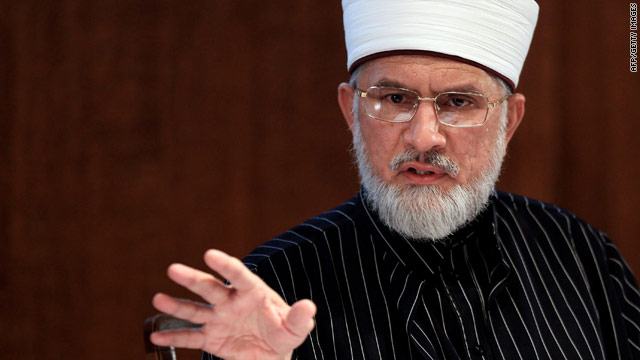
A fatwa, or religious ruling, issued this week is roiling theological waters after it took aim at those notorious for targeting others: terrorists.  The anti-terrorism fatwa by renowned Muslim scholar Muhammad Tahir ul-Qadri pulled no punches, declaring that terrorism was “haraam,” or forbidden by the Quran, and that suicide bombers would be rewarded not by 72 virgins in heaven, as many terrorist recruiters promise, but with a suite in hell.

Qadri, the founder of the Minhaj-ul-Quran International, an Islamic movement with centers in 90 countries, told a news conference in London, England, on Tuesday that his decree categorically condemns terrorism and suicide bombings in the name of Islam. “Until now, scholars who were condemning terrorism were conditional and qualified what they said,” Qadri said in a phone interview, noting that his 600-page ruling left no room for interpretation. “I didn’t leave a single, minor aspect that, in the mind of radicals or extremists, can take them to the direction of martyrdom.”

The 59-year-old Pakistani scholar called his fatwa an “absolute” condemnation, going as far as to label the terrorists themselves “kafirs,” a term in the Quran meaning “unbeliever.” “This fatwa has the potential to be a highly significant step towards eradicating Islamist terrorism,” Quilliam, a counter-extremism think tank based in London, said in a statement.

Manan Ahmed, assistant professor of Islam in South and Southeast Asia at the Institute for Islamic Studies in Berlin, agreed, calling the fatwa “unprecedented.” “This is a landmark theological study — a careful and systematic treatment of a thousand years of legal tradition dealing with armed resistance against the state, rules of engagement, aspects. The fatwa itself … is categorically and comprehensively against terrorism in any form and for any cause,” Ahmed said.

Many skeptics questioned whether an intellectual dismantling of al Qaeda’s religious philosophy could have any impact on recruiting terrorists in places like Pakistan, where many potential foot soldiers don’t have access to education, much less academic discourse. Ahmed says it can. “This is not an academic or an intellectual argument alone. This is a theological argument, based in the Qur’an and Sunnah [practice of the Prophet],” Ahmed said. “What it provides are easily available argumentation and proof for the millions of preachers across Pakistan, who can, in turn, incorporate this into their weekly sermons.”

Ahmed says where it will undoubtedly leave an indelible mark is online. Just this week, U.S. Army Brig. Gen. John Custer, head of intelligence at the U.S. military’s Central Command, told the CBS program “60 Minutes” that “without a doubt, the Internet is the single most important venue for the radicalization of Islamic youth.”

In the recent case involving five young Americans from the Virginia area, known as the “D.C. Five,” who are in a Pakistani jail potentially facing terrorism charges, the so-called ringleader Ramy Zamzam allegedly had contact with radical Islamist Web sites. Last week, 24 year-old Afghan-born American Najibullah Zazi pleaded guilty to conspiring to blow up high-density targets in New York City. Prosecutors allege he, too, communicated online with terrorists.

Salman Ahmad, the lead singer of the Pakistani rock band “Junoon” and author of “Rock & Roll Jihad: A Muslim Rock Star’s Revolution,” says it’s young men in the West who can be influenced the most by Qadri’s arguments.

“The fatwa by the Pakistani Islamic scholar is an important positive religious ruling and it has been made in the West, where a lot of young impressionable Muslim kids are being brainwashed by the terrorists to commit murder and suicide in the name of Islam,” Ahmad said.

“It’s about time Osama bin Laden and Al Qaeda realize that Muslims will not allow their faith and identity to be hijacked by a bunch of thugs masquerading as holy men.”

Gandhi and King- Two Martyrs Who Will Never Die

By Manzer Munir

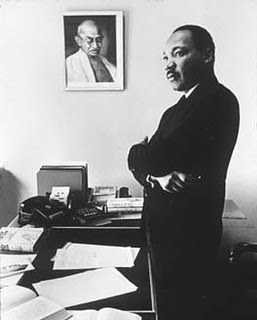
Martin Luther King Jr, who would have been 81 years old January 15, was a great believer of Mohandas K Gandhi, the leader of India’s independence movement from Brittan. King saw that Gandhi’s peaceful civil disobedience and non-violent methods of protest were very effective in bringing down the British Empire in India and as a result Pakistan after some 300 years of direct and indirect rule. Gandhi had believed that people could resist immoral government action by simply refusing to cooperate. Gandhi adopted many peaceful resistance techniques in developing his concept of Satyagraha, which was a philosophy and practice of passive nonviolent resistance.

Gandhi had earlier used this resistance technique in his struggles for freedom and equality for blacks and Indians in South Africa where both minorities were subjected to second and third class citizenry. His methods and refusal to bow down to the injustices that Indians faced in colonial South Africa inspired Nelson Mandela several years later to start his own peaceful struggle that eventually led to the end of Apartheid in South Africa in 1990.

While at Morehouse College, King learned about Gandhi and became very excited about his ideas. He wanted to further educate himself and read many books on Gandhi and his life and beliefs. In his book, Stride Toward Freedom, King states that “Gandhi was probably the first person in history to lift the love ethic of Jesus above mere interaction between individuals to a powerful and effective social force on a large scale. He further writes in his book that “It was in this Gandhian emphasis on love and nonviolence that I discovered the method for social reform that I had been seeking. I came to feel that this was the only morally and practically sound method open to oppressed people in their struggle for freedom.”

King felt that he had finally found a way to where oppressed people could successfully unlock social protest through Jesus’ teachings of love. In fact Gandhi himself had said “What does Jesus mean to me? To me, he was one of the greatest teachers humanity has ever had.” He also once mentioned Jesus as the “most active resister known perhaps to history. His was non-violence par excellence” Therefore to the Christian minister living in the pre-civil rights era in the South in America, Gandhi appeared to King as a follower of Christ, someone who preached peace and love even at the expense of suffering. Martin Luther King once said of Gandhi “It is ironic yet inescapably true that the greatest Christian of the modern world was a man who never embraced Christianity.”

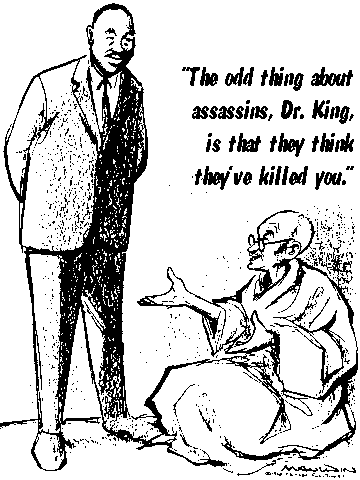
In 1959, King visited India and became fully convinced that Satyagraha could be effectively applied to the struggle by blacks in the United States for racial integration. He came back to the United States where he continued the struggle for freedom and equality for all Americans. Like Gandhi, King also talked about suffering as a path to self purification and spiritual growth. He not only experienced this suffering by being jailed, beaten and harassed by the authorities of the day, but he eventually ended up paying for this cause for freedom for all with his life.

 Mohandas K Gandhi and Martin Luther King Jr arguably were two of the greatest men of the last century.  Both men believed that “injustice anywhere was a threat to justice everywhere.” They both led their people and millions of others out of slavery and servitude against seemingly insurmountable odds to freedom and salvation. On what would have been his 81st birthday, let us recognize that despite an assassin’s bullet and in the greatest democracy in the history of the world, the spirit and dream of a King still live on.

Haiti crisis triggers quake nightmare for Pakistan legend

Reported by Paul Armstrong originally on CNN.com 1/14/10

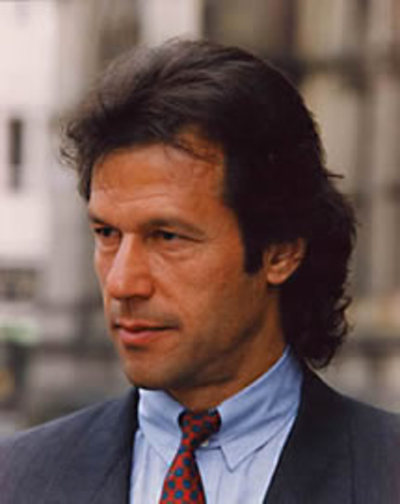
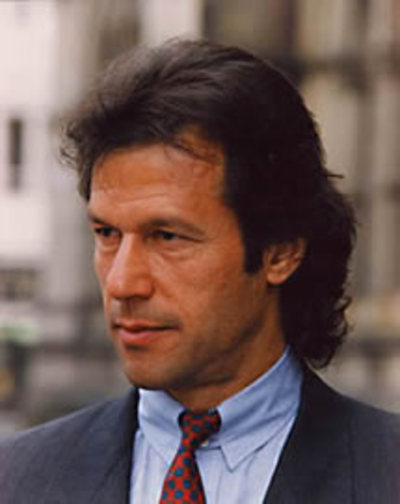
Pakistan cricket legend Imran Khan has described how the unfolding crisis in Haiti revived harrowing memories of a similar earthquake in his own region.

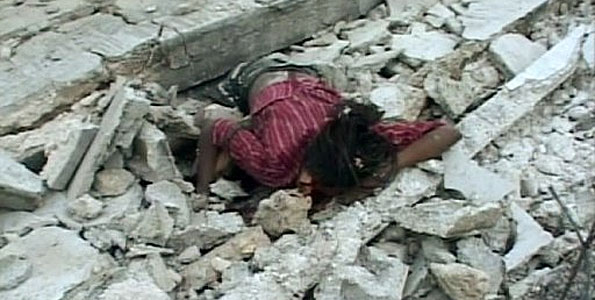
The devastating 7.6 magnitude quake struck northern Pakistan and the divided Kashmir region in October 2005, claiming the lives of almost 80,000 people, according to official estimates, and leaving millions homeless.

Khan, who is now a prominent politician and campaigner for social issues in Pakistan, told CNN Thursday that he was left numbed by the scenes which greeted him as he traveled to some of the worst-affected areas in the aftermath.

“It was one of the most traumatic experiences I’ve ever had. Just watching human suffering, he said. “It was the children that really disturbed me … their crushed limbs.

“There were so many people needing attention. I remember seeing makeshift hospitals where they were amputating. That was difficult to take. “Families were torn apart as parents lost their children and children were orphaned. Whole families were caught inside buildings, while few escaped.”

Khan recalled being overwhelmed by the sight of an entire town being reduced to rubble.

“We arrived in the town of Balakot and it was totally flattened. You don’t know what to do or say. So many people needing help at one time and you don’t have the infrastructure, you don’t have the hospitals to help.”

Balakot was one of the worst-hit places, with one in 10 of about 20,000 residents killed, according to the local government of the Mansehra district, where the town of is located. Thousands more were injured. Pakistani authorities later planned to move the town in the country’s North West Frontier Province to a completely new location, owing to its current position on a volatile fault line.

The destruction of Balakot brought home to Khan how much people had lost. “Their livelihoods disappeared overnight,” he said. “They had nothing, no business, money, food.

“From what I’ve seen on television it’s similar to what is happening now in Haiti. Clearly they (Haiti) won’t have the resources to cope with it, so it will require a real outside effort.”

While acknowledging the importance of the international aid effort, Khan pointed to role ordinary Pakistanis played in 2005. “It was incredible. The government was incapacitated but there were little charities and groups forming all over the area trying to help.

“I was in an earthquake-hit area on the second day and I’ll never forget seeing a three-mile queue of people trying to get to what was a largely remote area to help with whatever they could put in their cars.

“The government was paralyzed but people came forward, from rich to poor, young to old.”

He also pointed to the success volunteer networks had in adopting villages and towns, taking responsibility for providing basic shelter, food and medicine. “Everyone took responsibility,” recalled Khan. “Each group would look after a specific issue until the local population was able to get back on its feet.”It’s so important that the aid effort continues months after the disaster.”

Iranian Protests for Democracy is a Cry for Freedom Across the Muslim World

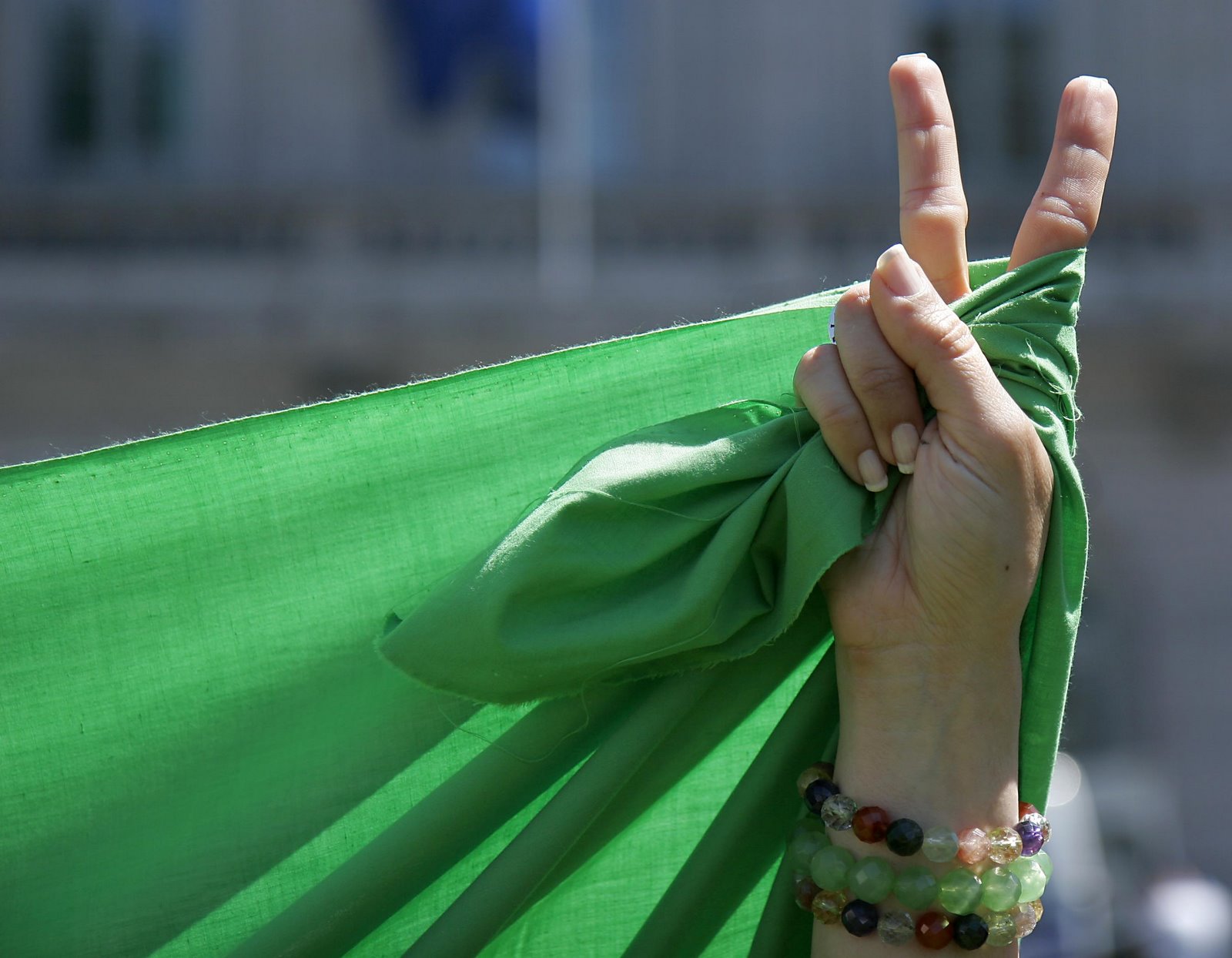
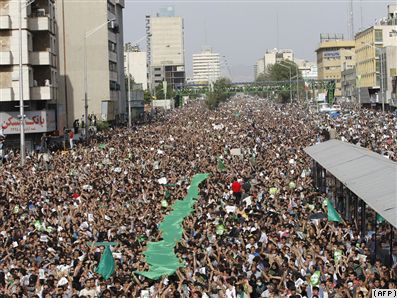
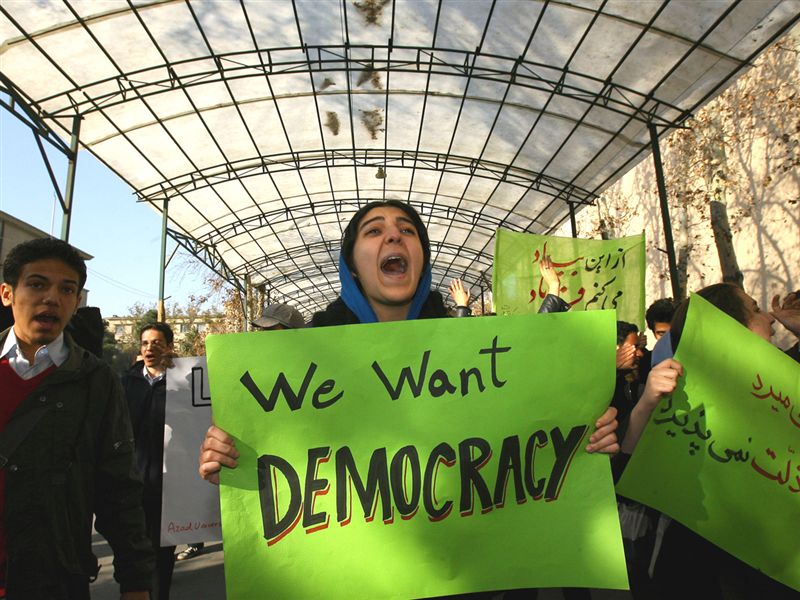
Tehran, Iran- Demonstrations in Iran continue a little over a week after the mass protests the occurred throughout Iran on the Shiite festival of Ashura as protestors defy the government’s crackdown on dissent. It appears that for the first time since the Iranian Revolution of 1979, the regime of Iran is appearing weakened. Despite the brutal violence used by government soldiers and militiamen, the Iranian people are brazenly standing up and are demanding the end of the supreme rule of Ayatollah Ali Khamenei and establishment of a democratic nation where freedom and rights of the Iranian people are respected.

For far too long the current regime has used violence and intimidation to quell revolt. However since the disputed election of last year, the majority of Iranian citizens want an end to theocratic rule. The government must sense the tide turning against them as the popular revolt is gathering steam and gaining strength. Overseas, the Iranian communities around the world are standing in support with their brothers and sisters in Iran and demanding an end to suppression and tyranny also and asking governments around the world for support of this movement by instituting embargos and sanctions on the Iranian government.

The situation is bleak in many Muslim countries around the world when it comes to prudent and competent government. If one takes a look at the Arabian Gulf region we have kingdoms such as Saudi Arabia and Jordan, Bahrain, UAE, etc. There is not a great deal of individual and civil liberties as they are normally afforded in the western world. Freedom of speech, religion and right to protest is simply outlawed in most of these countries. If one takes a look at countries like Egypt, Libya, Syria, and until recently Iraq, are all countries where there are dictatorships akin to monarchies where power is held for generations as is the case with Muammar Al-Gaddafi or it is passed on to a family member as was the case with Bashar Al-Assad of Syria. Pakistan too is a country that of its 62 years of modern history, over half have been ruled by dictatorships robbing the people of a robust democratic system as is one that flourishes in neighboring India.

Far too often, in many Muslim countries around the world, governments and individuals in power are robbing the coffers of their national treasuries for their own greed and simultaneously either brutally cracking down on human rights and dissent or neglecting their responsibilities all together and therefore not providing basic services, infrastructure, and security.

It is not as if democracy is in theory in any ways in conflict with Islam, rather, Islam’s set of norms and ideals that emphasize the equality of people, the accountability of leaders to community, and the respect of diversity and other faiths, is fully compatible with democracy. Yet time after time, Muslim countries are finding themselves under repressive, corrupt and  inept leadership that has no problem using  vote rigging, violence, brutality and intimidation to remain in power.

The Iranian uprising and protests currently underway in Iran should inspire Muslims in other countries to demand better governance, more accountability, and freedoms from their leaders. A country that does not have the participation of all it citizens in all fields of endeavor is not going to advance aggressively as it should. Many citizens of Iran and Iranians around the world are hoping that the repressive regime in Tehran is overthrown by the brave protesters there. One would hope that eventually this starts a chain reaction throughout the Muslim world where repressive, authoritarian and harmful governments are holding back the progress of nations. Thomas Jefferson said it best  when he stated that “A bill of rights is what the people are entitled to against every government on earth, general or particular, and what no just government should refuse, or rest on inferences.”

Reported by Manzer Munir for http://www.PakistanisforPeace.com